
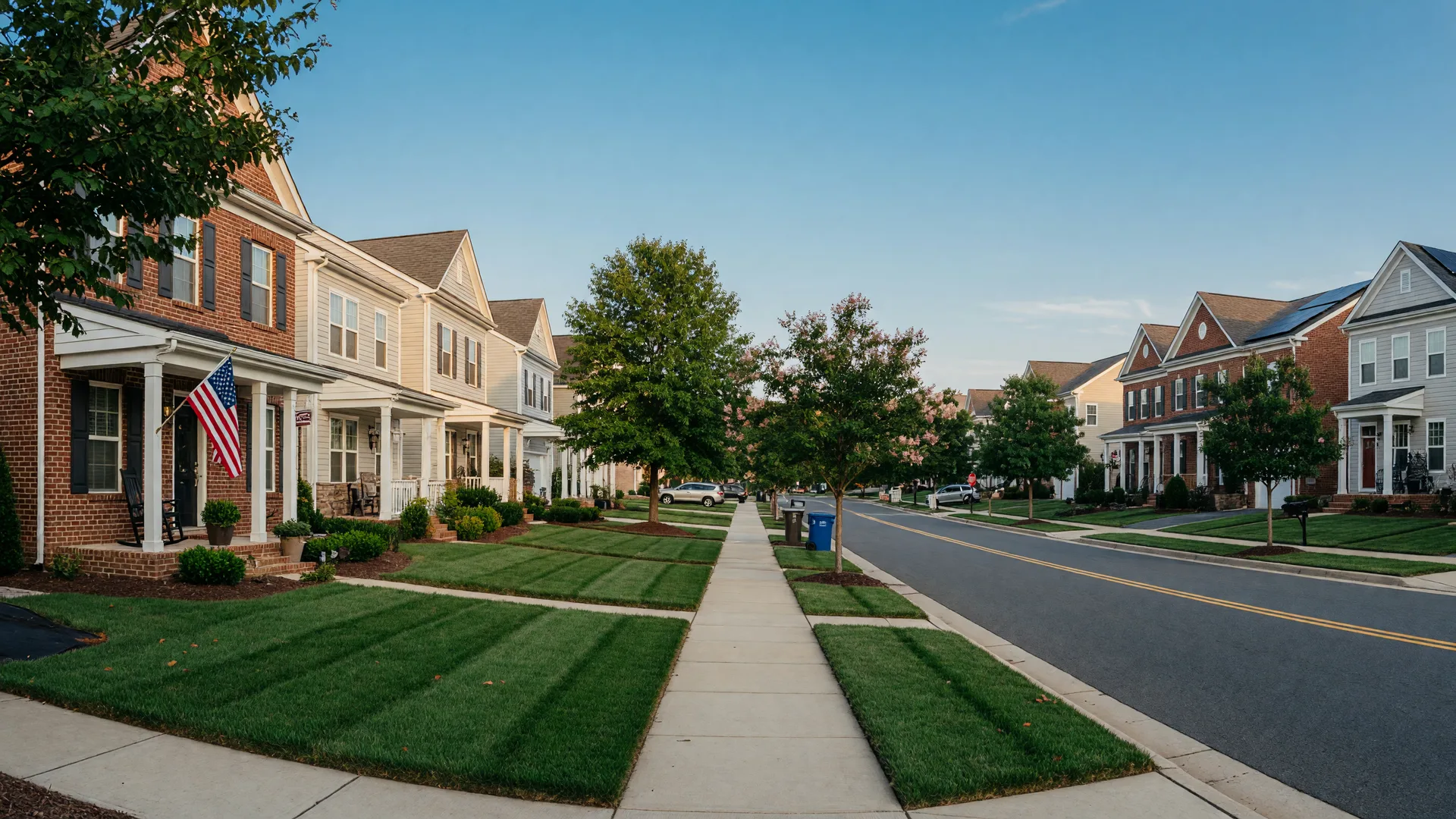
On July 11, 2026, the 21st Century Road to Housing Act was signed into law. It is one of the most significant federal housing policy changes in recent memory, and it directly affects anyone thinking about buying a home in Northern Virginia or the Washington DC metro area. Whether you are a first-time buyer, a veteran, a growing family, or someone looking to downsize, this law touches the process in several important ways. Let us walk through what it does, how it helps, and where it falls short.
What Is the 21st Century Road to Housing Act?
At its core, this law is a response to a simple problem: housing supply has not kept pace with demand for years. Across the country, and especially in high-cost markets like ours, there are not enough homes available for the number of people who want to buy them. That imbalance drives up prices, fuels bidding wars, and pushes homeownership out of reach for many qualified buyers.
The 21st Century Road to Housing Act is designed to help communities build more homes, reduce unnecessary barriers, and expand access to affordable financing. It is not a magic wand — no single law can undo decades of underbuilding overnight — but it is a meaningful, multi-pronged effort to make the housing market work better for families rather than large financial players.
Restrictions on Large Institutional Investors
One of the most talked-about provisions places new restrictions on large institutional investors purchasing additional single-family homes. It is important to understand what this is and what it is not. The law does not ban individual investors, small landlords, or family-owned rental properties. It targets big institutional buyers — the kind that have been acquiring hundreds or even thousands of single-family homes in concentrated areas, converting the housing stock from owner-occupied to corporate-owned rentals.
In Northern Virginia and the DC metro area, institutional investor activity in the single-family rental market has been notable. Neighborhoods in Prince William County, parts of Loudoun County, and suburban Fairfax have seen corporate buyers compete directly with individual homebuyers for the same properties. By limiting how many additional homes these large investors can purchase, the law aims to give families a better chance to compete. That does not mean every home you bid on will have no competition, but it should mean one less category of buyer at the table.
Expanded Grant Opportunities for Communities
The law also expands grant programs to help local communities plan for and create more housing. This is the supply-side piece of the puzzle. Many jurisdictions in our region — Arlington, Alexandria, and Fairfax County among them — have zoning codes, parking requirements, and approval processes that slow down new construction. Federal grants may help these localities update their planning, streamline permitting, and fund infrastructure that supports higher-density development.
What does this mean for a homebuyer? Over time, more housing supply should moderate price growth. It will not happen next week or even next year, but a community that plans for growth is more likely to have the inventory you need when you are ready to buy.
Financing Changes for FHA, VA, and USDA Loans
The law makes meaningful changes to government-backed loan programs. For FHA loans, which are especially popular with first-time homebuyers, the act expands access to affordable financing by adjusting certain underwriting criteria. VA loans, already one of the most powerful benefits available to veterans and active-duty military, see improvements intended to make them even more competitive in tight markets. USDA loan program changes similarly expand eligibility in qualifying rural and suburban areas.
These changes hit close to home in Northern Virginia. Our region is home to the Pentagon, Fort Belvoir, Quantico Marine Corps Base, Joint Base Anacostia-Bolling, and countless federal agencies. VA loan usage is exceptionally high here. Any policy that strengthens the VA program directly helps thousands of military families, veterans, and federal workers in our area. Similarly, the expanded FHA provisions could make a real difference for young professionals and first-time buyers trying to break into the market in Arlington, Alexandria, and Fairfax County, where entry-level home prices remain steep.
Appraisal Reform: A Welcome Change for Buyers and Agents
One of the most practical changes in the law is appraisal reform. Anyone who has bought or sold a home in Northern Virginia recently has likely encountered an appraisal issue. Our market moves fast, and prices can outpace what appraisers see in the public records. A home that sells at or slightly above the agreed price may appraise for less, creating problems for the buyer's financing.
The law takes several steps to address this. It mandates additional training for appraisers, especially in markets with rapidly changing values. It creates more flexibility for trainee appraisers to gain experience in the field, which should help increase the number of qualified professionals available — a real concern in a region where it can sometimes take weeks to schedule an appraisal. And importantly, it establishes a clearer process for buyers and their real estate agents to challenge inaccurate or unsupported low appraisals by presenting better comparable sales and additional property information.
In Northern Virginia, where home values can vary dramatically from one street to the next based on school boundaries, proximity to Metro stations, or the condition of neighboring properties, this appraisal challenge process is particularly relevant. An agent who knows the hyper-local market can make a strong case for why a home is worth what a buyer has agreed to pay, and this law gives that case a formal path to be heard.
The Pros and Cons
What the Law Does Well
- Less corporate competition. By limiting large institutional investors, the law helps level the playing field for individual homebuyers and families — especially in suburban markets like Prince William and Loudoun counties where institutional buying has been concentrated.
- Stronger VA and FHA loans. Expanded financing options are a direct benefit to Northern Virginia's large veteran, active-duty military, and first-time buyer population.
- Appraisal accountability. The clearer challenge process and additional appraiser training address a real pain point in high-value, fast-moving markets like ours.
- Long-term supply support. Grant programs that help communities plan and build more housing are the kind of structural change that takes years to pay off, but it is a necessary investment.
What the Law Does Not Do
- It will not lower prices overnight. Housing markets do not work that way. Supply-side changes take years, and prices in competitive areas like Northern Virginia will remain elevated for the foreseeable future. This law is a step, not a shortcut.
- It does not guarantee every low appraisal will be overturned. The challenge process is a meaningful improvement, but it still requires strong evidence. An appraisal backed by genuinely comparable sales may still hold. The key is having an agent who knows how to build that case.
- It does not address interest rates or inflation. Mortgage rates are influenced by broader economic conditions. The law helps with affordability from the financing side, but it cannot control the cost of borrowing.
- Local zoning remains the biggest barrier. Federal grants can incentivize change, but the toughest decisions about what gets built where still happen at the county and city level. Communities that resist new development will see less benefit from the supply-side provisions.
What This Means for Northern Virginia Homebuyers
So how does the 21st Century Road to Housing Act affect you, specifically, here in the DC metro area? Let me break it down by scenario.
If you are a first-time homebuyer looking at condos and townhomes in Arlington or Alexandria, the expanded FHA financing options and reduced competition from investors both work in your favor. You may find that your offer carries more weight than it would have a year ago, and your financing terms could be slightly more favorable.
If you are a veteran or active-duty military member using a VA loan — and many of our neighbors are — the improvements to the VA program are directly relevant. Talk to your lender about exactly how these changes affect your buying power. In a region where VA loans are already heavily used, any improvement is welcome news.
If you are buying in a community that has seen significant corporate landlord activity — parts of Prince William County, sections of Loudoun, some suburban Fairfax neighborhoods — the investor restrictions may reduce the number of competing offers on the homes you are interested in. That does not mean you will have no competition, but it means one major category of competitor has been reined in.
And if you are worried about appraisal issues — a common concern in our market where prices move fast and comparable sales can be scarce — the appraisal reforms give you and your agent a clearer path to present the full picture of what a home is worth. That is a concrete, practical improvement that can save a deal from falling apart over a number.
The Bottom Line
The 21st Century Road to Housing Act is a serious, thoughtful piece of legislation that tackles several real problems in the housing market. It is not a cure-all, and it will not make buying a home in Northern Virginia easy overnight. Prices here are driven by powerful fundamentals — job growth, excellent schools, proximity to the nation's capital, and a quality of life that people are willing to pay for.
What the law does is tilt the playing field back toward families and individual buyers. It reduces the advantage that large institutional investors have held. It strengthens the loan programs that help first-time buyers and veterans. It builds accountability into the appraisal process. And it invests in the long-term supply of homes that our communities desperately need.
If you are thinking about buying a home in Northern Virginia this year, this law is good news. It is one more reason to feel confident about taking the next step. And as always, having an experienced local agent who understands both the new legal landscape and the hyper-local market conditions is the single best advantage you can have.

Ready to Buy in Northern Virginia?
With 24 years of experience serving Northern Virginia and Suburban Maryland, Patricia can help you navigate the changing market and find the right home for your family. Reach out for a personalized consultation.